Seafood Is the Smartest Anchor for a Grayson County Day Trip
Most travel itineraries treat dinner as an afterthought. Visitors map out the boat rental, the hiking trail, and the scenic drive, leaving the final meal of the day to chance. In North Texas, reversing that logic solves a lot of logistical headaches. A local seafood stop serves as the practical center of a Grayson County trip, rather than a random meal tacked onto the end of an exhausting afternoon.
Travelers move through this region in predictable patterns. They spend the morning at Lake Texoma, explore Eisenhower State Park, run weekend errands in Denison, or take leisurely drives from nearby towns. These activities dictate a specific rhythm. Families arrive in casual outdoor clothing, often dealing with the lingering heat of the day. They need a dining environment that absorbs this reality without friction.
Seafood works well for these mixed groups. It carries the weight of a destination meal while remaining unpretentious. A late lunch from 11:30 a.m. to 2:00 p.m. fits after a morning lake outing. Alternatively, an early dinner provides necessary fuel before a 60-to-90-minute drive home. The setting accommodates lake clothes, road-trip fatigue, and loud family tables without anyone feeling out of place.
Why Travelers Crave Seafood Even This Far from the Coast
A common assumption suggests that seafood travel belongs exclusively on the Gulf Coast. This ignores how food memory actually operates. People associate fish plates and shrimp baskets with relaxed, water-adjacent travel, regardless of whether that water is an ocean or a massive inland reservoir.
The Road-Trip Dining Matrix
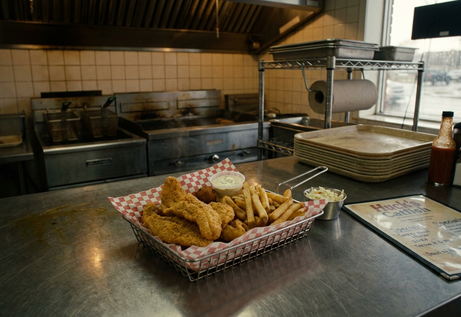
The emotional language of North Texas travel relies on hearty, familiar comfort. When visitors read a menu, they process choices like fried catfish, grilled or fried shrimp, hush puppies, fries, slaw, beans, tartar sauce, cocktail sauce, lemon, and iced tea almost instantly. Travelers can understand those choices within 30 to 60 seconds of reading a board. It feels celebratory without demanding formality.
This craving aligns directly with lake-country timing. Boating or fishing in the morning naturally leads to a hot-weather appetite shift by early afternoon. Visitors actively seek a heavier, casual meal before returning to a hotel, campsite, or their own driveway. The food matches the environment they just experienced.
The Travel Moments That Turn a Meal into a Necessary Stop
Demand for a specific restaurant rarely stems from the menu alone. It builds from the specific travel moments occurring right outside the doors. Post-lake hunger often peaks, according to local expertise, after gear is packed, sunscreen has worn off, and the group has been outside for 2 to 5 hours. At that point, a meal transitions from a casual desire to an immediate necessity.
On regional route patterns, the geography points to two useful dining windows. The first is a late lunch from 1:30 to 3:30 p.m. The second is an early dinner from 4:30 to 6:30 p.m. Both of these timeframes fit outdoor-day fatigue far better than a late, reservation-style meal.
Main Point: The best seafood stop is often the one that fits the day’s route, clothing, appetite, and group energy—not simply the one with the flashiest menu.
Context changes everything. A July lake afternoon requires a different pacing than a cool-weather park hike or a quick Denison errand run. Weather, lake season, school calendars, and weekend traffic shift demand sharply throughout the year.
What a Seafood Menu Tells Road-Trippers Before They Order
Travelers do not read roadside menus like food critics. They perform a rapid, practical scan to determine if the kitchen can satisfy adults, children, tired drivers, and lighter eaters simultaneously.
Familiar seafood staples reduce risk for visitors who do not know the area. They look for a catfish basket, a shrimp option, clear plate or platter sizes, and a dedicated kids' item. Sides matter too: fries, slaw, hush puppies, beans, sauces, and tea. Visitors want to know if the food looks easy to split at the table. A functional seafood menu provides at least three distinct ordering paths: a fried comfort plate, a lighter or simpler seafood choice, and side-heavy ordering for children or people with smaller appetites.
Pacing and format matter immensely. Chain fast food is faster but lacks any connection to the local area. A traditional steakhouse often feels too heavy or formal after a day in lake clothes. Convenience-store snacks only solve the next 20 to 40 minutes of hunger. Casual seafood fills the gap between speed, comfort, and regional identity.
Local Signals Travelers Notice Before They Trust a Stop
Trust is built in the parking lot before a traveler ever sees a plate. First-time visitors evaluate a restaurant through ordinary, operational signals that require zero insider knowledge.
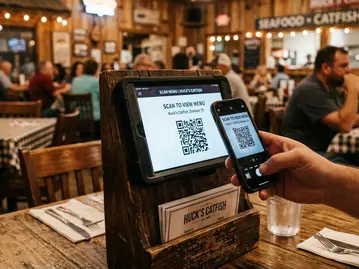
Observable cues carry the most weight. Occupied tables during lunch or early dinner indicate reliable turnover. Trucks or family vehicles in the lot suggest the local community actually eats there. Visible takeout movement shows the kitchen operates efficiently. Readable hours posted online and at the door prove the business respects a traveler's time. A menu that does not require diners to decode fine-dining language signals welcoming, casual hospitality.
A trusted seafood stop feels rooted in Grayson County rather than staged for tourists. The experience matches Denison and Lake Texoma travel patterns naturally.
Caution: Travelers should confirm hours the same day, especially before driving over after a park visit or lake outing, because small local dining schedules can change around staffing, holidays, weather, or maintenance.
How Denison’s Location Changes the Dining Decision
Geography shapes appetite. Denison serves as a practical dining base for travelers moving between the water, local lodging, and broader Grayson County routes. Many Texas-side lake movements already bend toward town.
Based on traffic flow observations around the Denison corridor, the dining decision is heavily shaped by detour tolerance. After a hot outdoor day, a 10-to-20-minute dining adjustment feels entirely reasonable. A longer second trip, however, feels like a burden to families or tired drivers. Denison sits right in that optimal zone of convenience.
The scale of the surrounding recreation area makes this proximity vital. Visitors can reference the U.S. Army Corps of Engineers Lake Texoma page to understand the sheer size of the region; the lake is commonly described by the Corps as covering about 89,000 acres. Navigating away from a body of water that large requires a logical, nearby destination to decompress.
A Practical Test for Choosing a Seafood Stop on the Road
The most common planning mistake is waiting too long to choose a restaurant. The decision framework should start before hunger becomes urgent. Travelers should make a food plan while leaving the lake, park, hotel, or errand stop.
A practical decision window is 30 to 60 minutes before the group expects to eat. After that, tired travelers tend to choose whatever is closest rather than what actually fits the day.
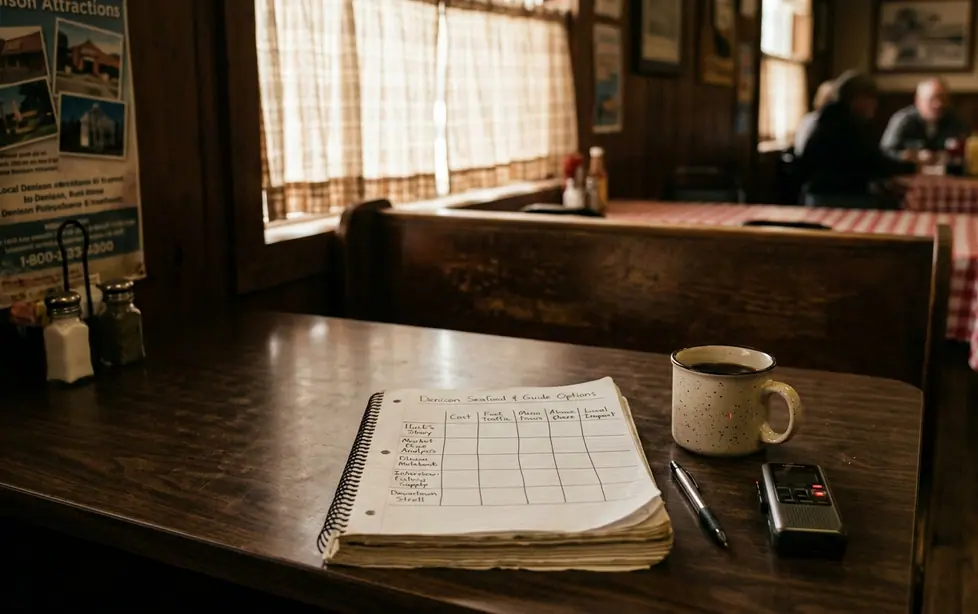
- Best for post-lake families: Look for easy parking, large tables, and shareable plates.
- Best for quick road-trip fuel: Prioritize a short menu scan, visible takeout movement, and casual service.
- Best for a local-feeling meal: Seek out recognizable regional dishes and a parking lot full of local county plates.
- Best for mixed appetites: Ensure the menu offers both heavy fried comfort plates and lighter, simpler choices.
Expert Tip: Decide on your dining stop before you pack up the car. A group that waits until everyone is overheated and already on the highway will often choose the nearest drive-through—instead of the seafood stop that would have matched the trip better.
A Simple Denison Seafood Detour to Try Next Time
Consider a concrete example of how this planning improves a weekend. A family packs up from Eisenhower State Park in the late afternoon. Instead of driving straight to the highway, they aim toward Denison before the group is fully exhausted. They choose a casual seafood stop and sit down to eat between 4:30 and 6:30 p.m.
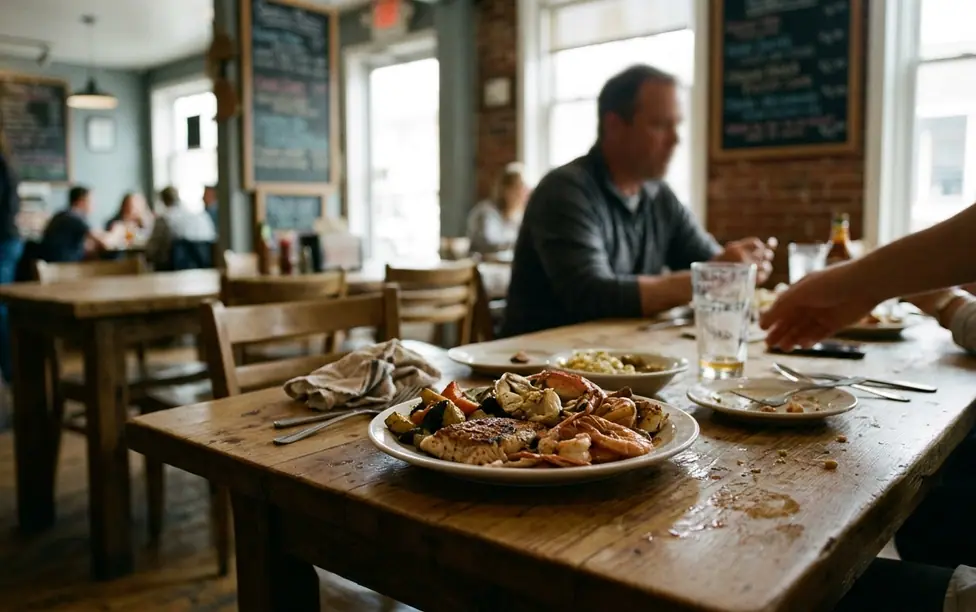
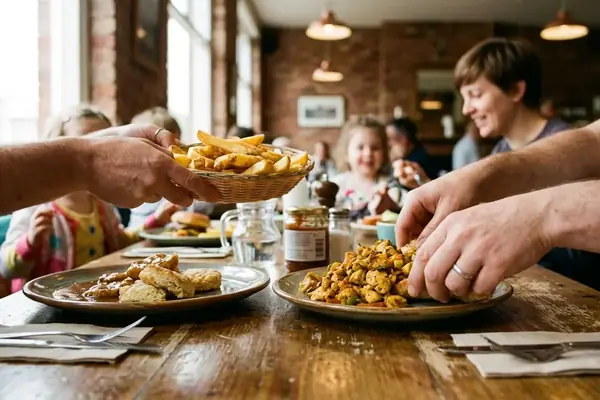
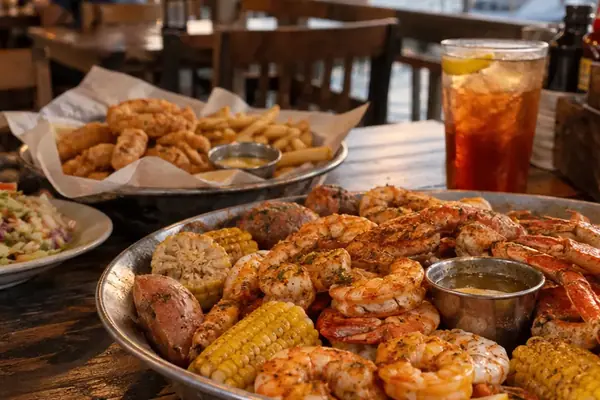
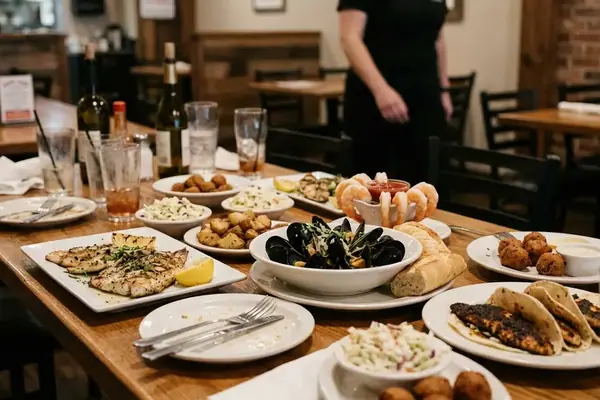
The table fills with the items that tie the meal to North Texas lake travel: fried catfish, grilled shrimp, hush puppies, fries, slaw, beans, tartar sauce, lemon wedges, and tall glasses of iced tea. Plates are easily shared. It is loud enough that kids don't have to whisper, and relaxed enough that lake clothes are perfectly acceptable.
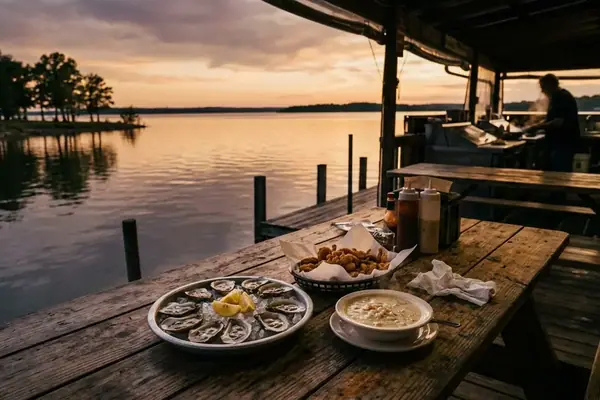
They finish the meal and leave with enough daylight and early-evening margin for the road home. There are no arguments about food, no rushed drive-through mistakes, and no complicated second trips. The detour connects the route, the appetite, and the local identity into one easy decision. It turns a simple meal into a natural edge-of-the-lake ritual, anchored right beside a reservoir that spans 89,000 acres.

Responses
Nothing here yet. Add your opinion.
Join the Discussion