The Meal That Can Define a North Texas Stop
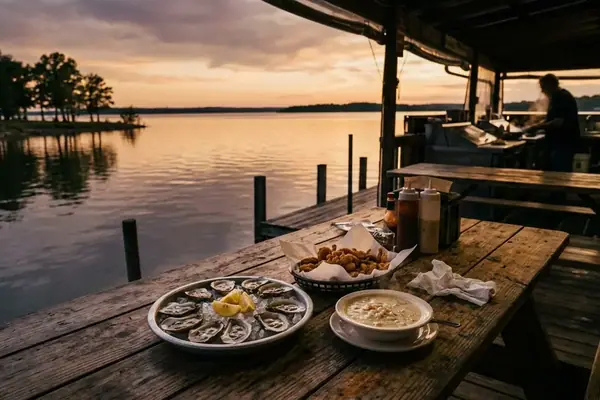
You've just left the water. Maybe it was a morning on Lake Texoma, a walk through Eisenhower State Park, or a slow family drive across Grayson County with the windows down. You're hungry, a little sun-tired, and you want a plate that settles the whole day. This is exactly the moment fried catfish earns its place.
Knowing what makes a great North Texas catfish plate is the difference between a meal you remember and a basket you forget by the time you hit the highway. That difference matters around here.
Fried catfish shows up in a lot of visitor windows around here: the late lunch after outdoor time, the early dinner before the drive home, the casual stop wedged between the lake and the interstate. It fits all of them. Flavor, crust, sides, the room itself, and the way you order all shape what a good plate should do.
Why Catfish Fits Denison and the Lake Texoma Table
Denison sits close enough to Lake Texoma that the reservoir shapes how people eat around here. The lake is the defining landmark for this stretch of the Texas-Oklahoma border, big enough to draw anglers, campers, and weekenders who need a meal on the way out. You can read the U.S. Army Corps of Engineers' Lake Texoma page if you want a sense of just how much water and shoreline anchor this region.
North Texas didn't invent fried catfish. Nobody's claiming that. But Denison and the lake give the dish a specific identity: a road-trip plate, a lake-table plate, the thing you order when the day was spent outside.
It works because of timing. Fried catfish can be a sit-down plate without demanding a formal dinner pace. You come in casual, you leave full, and nobody rushed you or made you dress up. After a fishing stop or a park walk with the kids, that's exactly the register you want.
Scope matters here: this guide is about how fried catfish functions in the Denison and Lake Texoma dining context. It's not an argument that North Texas prepares the dish better than every other corner of the South. It's about why the meal fits here, in this landscape, on this kind of day.
The Flavor Locals Expect: Clean Fish, Hot Crust, Simple Seasoning
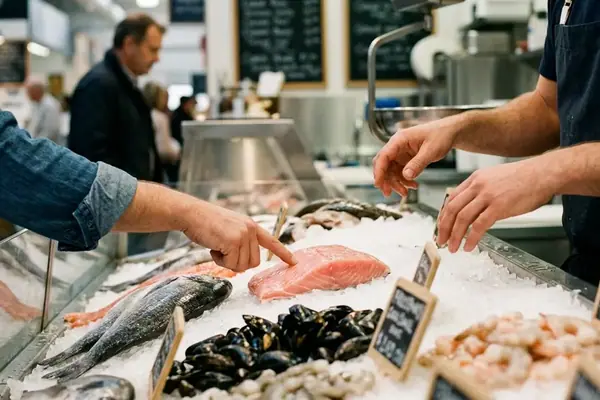
Start with the fish, because that's where a good plate starts. The catfish should taste mild, clean, and lightly sweet. No muddy note. No stale-oil funk hanging around after the second bite. If the fish tastes off, no amount of cornmeal or tartar sauce is going to rescue it.
Local appeal runs on balance, not on a seasoning arms race. The crust and the spice should support the fish rather than bury it. That's the quiet skill.
This is where North Texas expectations part ways with heavier Cajun-style or sauce-forward seafood traditions. Neither approach is wrong. But around Denison, the plate people come back for tends to let the fish speak first. That said, not every kitchen seasons the same way, and some lean bolder on the dredge than others.
Main Point: The best plate tastes fresh first, seasoned second, and fried last.
The Cornmeal Crust Is Where the Skill Shows
I thought about turning this into a recipe breakdown and then dropped the idea, because there's no verified house recipe to hand you, and a fake one helps nobody. What's useful is judging the crust from your side of the counter.
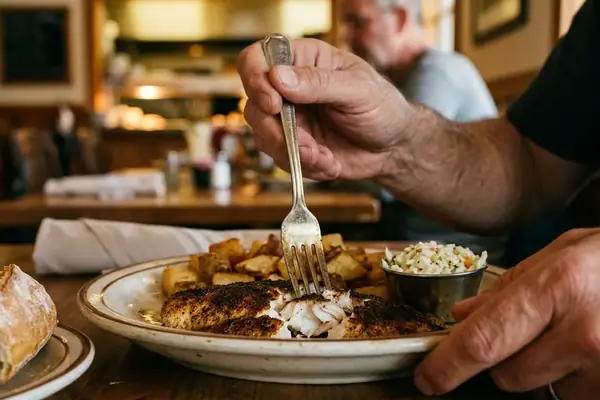
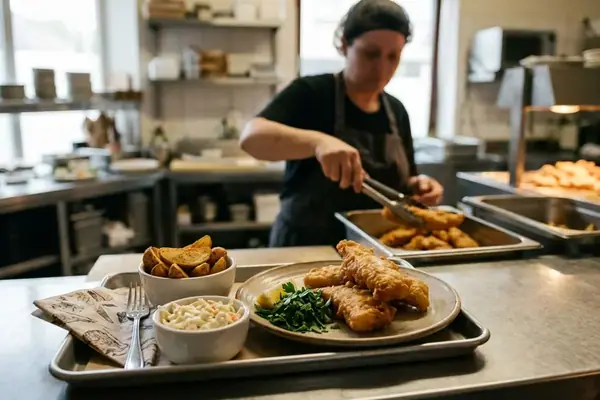
The texture target is straightforward to name and hard to hit: crisp edges, a lightly gritty cornmeal bite, a tender interior, and no greasy sag. When your fork breaks the edge, you should still hear it. Audible crust is the tell.
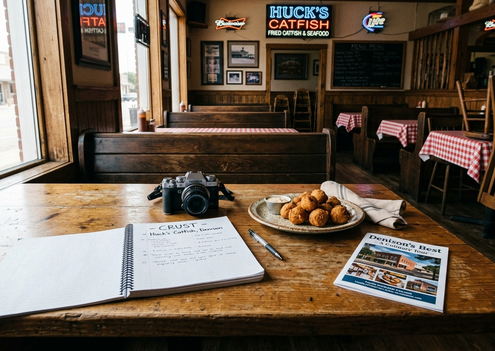
Behind that result, the process runs about like this: a dry fish surface, a seasoned cornmeal dredge, hot oil, uncrowded space in the fryer, and a brief rest before the plate leaves the kitchen. Crowd the fryer and the temperature drops; the coating goes soft instead of crisp.
Here's the failure case worth watching for. A plate can look generous and still fall apart if the crust slides off in one sheet, if the fish tastes muddy underneath, or if the sauce is clearly doing the work that clean frying should have done. If the coating softens before your second bite, the fish either waited too long under the light or the fryer was too full.
Hushpuppies, Slaw, Fries, and Sauce Tell the Same Story
Sides aren't filler. They're evidence. They tell you whether the kitchen treats catfish as a complete plate or as a standalone fried thing surrounded by afterthoughts.
Hushpuppies
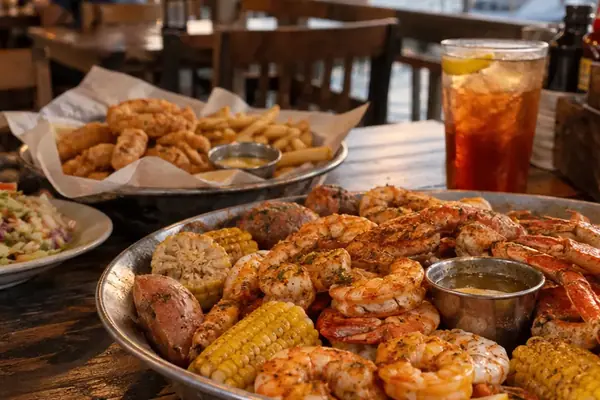
Judge them by contrast. Crisp exterior, hot steamy center, and either a mild sweetness or an onion note depending on the kitchen. Some places lean sweeter, some lean oniony, and both can be right. What you don't want is a hushpuppy that tastes like it's been sitting in a warming tray since the lunch rush.
Coleslaw
Slaw is the cooling counterpoint. It resets your palate after the fried fish and fries so bite five tastes as good as bite one. A plate without that reset gets heavy fast.
Sauce and the small stuff
Tartar sauce, hot sauce, lemon, pickles. Supporting cast, all of them. The practical move is simple: taste the fish before you reach for anything heavy. If the catfish needs sauce to be worth eating, that's information too.
What Separates a Local Favorite From a Tourist Novelty
A local favorite is not identified by a sign, a slogan, or a best-of ranking. It's identified by repeatability. Regulars come back when the plate is consistent, fairly portioned, and served hot.
Watch the room and the kitchen rhythm. The good signs stack up quickly:
- Steady plate turnover through lunch or early dinner
- Hot fish arriving soon after it's fried
- Servers who can tell you which side is popular that day
- Tables mixing families, work clothes, and post-lake casual wear
The warning signs are just as legible: limp crust, fish already hidden under sauce before you touch it, cold fries sitting next to hot fish, hushpuppies that taste held too long, or a plate built more for a photo than for eating.
Caution: A plate assembled to look impressive on camera and a plate assembled to eat well are not always the same plate. Trust the first hot bite over the presentation.
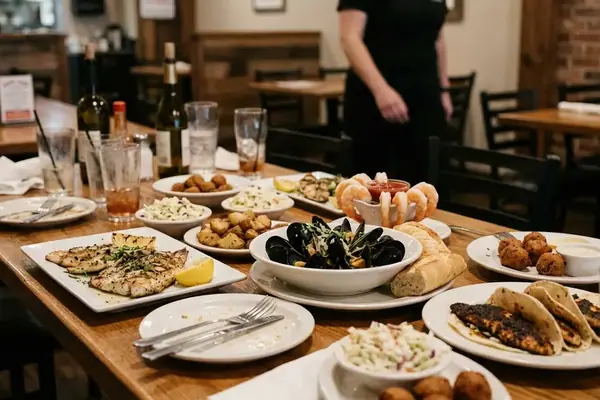
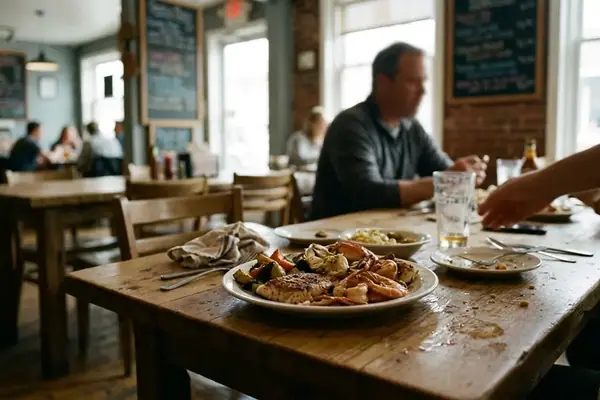
What ties the atmosphere together is intention. Iced tea, casual dining rooms, family tables, people still in their lake clothes. When the room feels like folks came for the catfish on purpose, that's usually the place.
How to Order Fried Catfish Like You Know What Matters
Order in a short sequence and you'll never fumble it.
- Ask whether they offer fillets, strips, nuggets, or whole fish.
- Confirm which sides come with the plate.
- Ask one simple question: is the fish fried to order?
- Taste the first bite before you add tartar sauce or hot sauce.
The format choice actually changes the experience. Fillets reveal the fish texture and the flake more clearly. Nuggets and strips shift the emphasis toward crust, crunch, and dipping. Neither is better; they're different pleasures, so pick for the mood.
When the plate lands, run a quick mental checklist. Aroma with no stale-oil smell. Crust that sounds crisp when you cut it. Fish that flakes instead of turning rubbery. Real heat at the center. A light oil feel on your fingers, not a slick one. Sides that balance the fish rather than bury it.
One reality for the road-trippers: fried catfish is best eaten immediately. A closed takeout box traps steam and softens the crust during even a short drive back from the lake. Advice that works for a dine-in plate simply doesn't survive a sealed container. If you can eat it there, eat it there.
Why the Tradition Still Holds
The dish lasts for practical reasons more than sentimental ones. It's accessible, it's satisfying after a day outside, it's easy to share across generations, and it's woven into how people travel through lake country. A grandparent and a grade-schooler can happily split the same plate.
That leaves a simple standard. Choose a place where the fish arrives hot, where the sides are handled seriously, and where the room feels like people ordered the catfish on purpose rather than defaulting to it because of the sign out front.
And here's the detail that reframes the whole meal: Lake Texoma sits directly on the Texas-Oklahoma line. Order a plate of fried catfish here and you're not eating just another fried seafood basket. You're eating a borderland road-trip meal, served where two states meet the same water.

Responses
Nothing here yet. Add your opinion.
Join the Discussion