

The Best Lake Texoma Dinner Plans Start Outdoors
A great Lake Texoma seafood dinner should be planned backward from the appetite-building activity that comes before it. Set the intended meal time first, then choose an outdoor plan that fits the group’s energy, equipment, weather tolerance, and available cleanup window.
The five choices serve different kinds of days. Hiking keeps gear and departure time manageable. Shore fishing rewards patience but requires tackle cleanup. Paddling demands sustained effort, while boat fishing occupies a substantial part of the day. Swimming works best as a seasonal option for warm-weather groups.
The Appetite Ladder
Compare each plan by exertion, gear burden, weather exposure, cleanup time, and the appetite it is likely to build. Choose one primary activity instead of compressing several demanding outings into the hours before dinner.
Quick Nav
- Hike Eisenhower State Park’s lakeside terrain
- Fish from a legally accessible shoreline
- Paddle a protected Lake Texoma cove
- Plan a morning of boat fishing
- Swim in the designated state park area
- Match effort and cleanup to dinner time
1. Hike Eisenhower State Park’s Lakeside Terrain
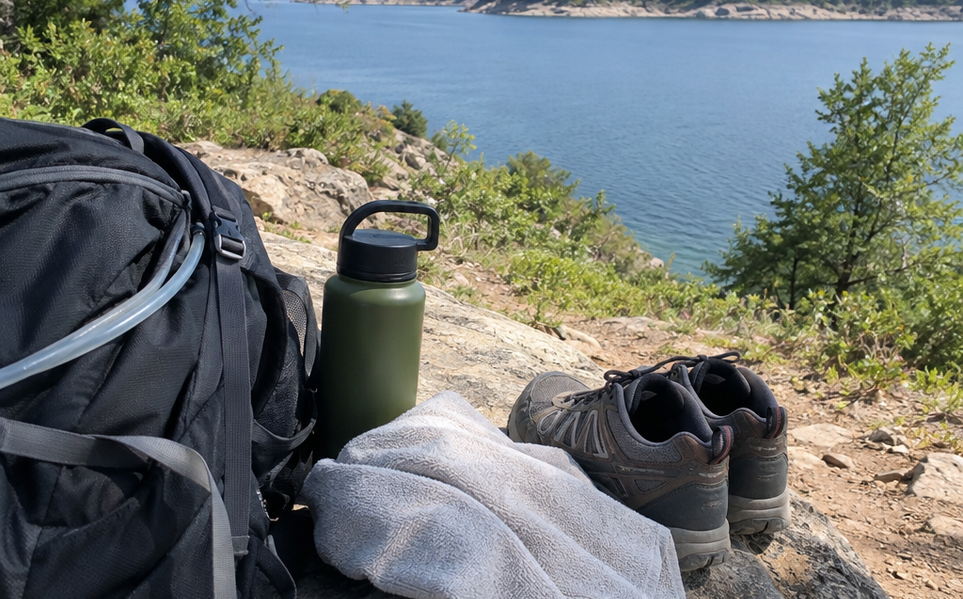
Hiking is the cleanest starting point for visitors without boats, rods, or specialized outdoor equipment. Eisenhower State Park combines wooded paths, rocky footing, shoreline views, elevation changes, and exposed ground where direct sun or wind can raise the effort quickly.
Choose the route around the least experienced walker. A pace that feels moderate to a regular hiker may leave another member of the group overheated or too tired to enjoy dinner. Establish the turnaround time before leaving the trailhead and check current Eisenhower State Park conditions and visitor details before departure.
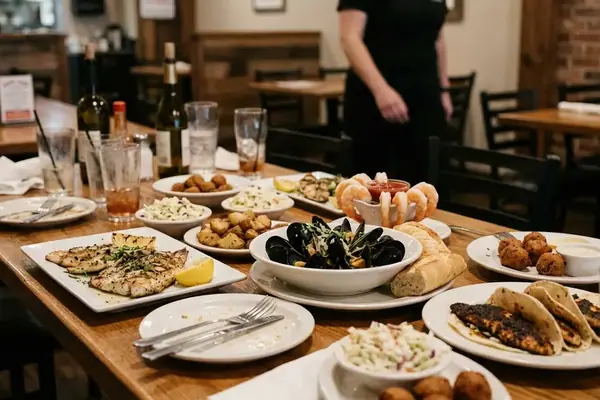
Reserve in the ballpark of 15 to 25 minutes at the trailhead for water, cooling down, and changing dusty shoes or shirts. That small transition keeps trail grit out of the vehicle and makes a plate of catfish & seafood classics feel like the natural finish to the afternoon.
2. Work the Shoreline With a Rod and Tackle Box
Shore fishing looks restful from a distance. In practice, anglers carry equipment, screen the bank for safe footing, cast repeatedly, change tackle, and relocate when a position remains unproductive.
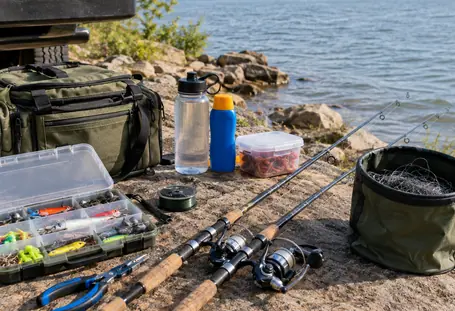
Evaluate a fishing position in a firm order: legal public access, separation from boat ramps and swimming areas, stable ground, and enough clear space for casting. Unstable rocks and crowded launch zones are poor trade-offs for convenient water access.
Pack for a Clean Bank
- A current fishing license where required
- One rod for each active angler
- A small tackle selection and pliers
- Drinking water and sun protection
- A dedicated container for discarded line
Allow 15 to 25 minutes at the end for a first-time visitor to reel in, close bait containers, inspect the ground for hooks and line, and leave the shoreline as it was found.
3. Paddle a Sheltered Lake Texoma Cove
Kayaking or canoeing shifts the workload to the upper body and opens a quieter view of the shoreline. For less experienced paddlers, a protected cove generally offers a more manageable start than exposed open water.
Make the weather and launch decision before unloading the craft. Every paddler needs a properly fitted personal flotation device, drinking water, and a stated turnaround time. The group should reassess wind and boat traffic during the outward leg while everyone still has the energy to return.
Paddling carries a longer restaurant transition than hiking. Budget hovering around 30 to 45 minutes after landing to carry and secure the craft, account for paddles and flotation devices, remove mud, and change damp clothing. A sealable bag keeps wet gear separated from clean dinner clothes.
4. Spend the Morning Fishing From a Boat
Boat fishing involves more than time with a line in the water. Launch preparation, navigation, movement around the deck, equipment management, and prolonged exposure to sun and wind make it the highest-commitment option in this Lake Texoma appetite ladder.
Private-boat users and visitors arranging a guided outing face the same scheduling question: when must the boat reach the ramp? Treat the full outing as a four- to six-hour block once launching, fishing, recovery, and unloading are included.
Clear the Ramp Checks
- Review weather and launch access
- Confirm required fishing licenses
- Check life jackets, fuel, and cooler capacity
- Set the return-to-ramp deadline before departure
Keep 45 to 60 minutes between reaching the ramp and beginning the drive to dinner over a long weekend. Securing equipment, handling the cooler, washing hands, and changing clothes routinely consume that window.
5. Cool Off in Eisenhower State Park’s Swimming Area
Swimming suits groups that want vigorous activity without hauling fishing or boating gear. Its usefulness depends on season and current park conditions, so confirm that the designated swimming area is open before building the day around it.
At the park, read the posted rules and identify the limits of the swimming space. Stay clear of boating channels and launch zones, supervise children directly, and use flotation support where appropriate. Leave the water when weather or visibility changes.
Pack a towel, dry clothes, suitable shoes for the walk to the vehicle, and a sealable bag for wet items. Allow 20 to shy of 30 minutes after the final swim for drying, changing, containing wet towels, and checking that valuables remain out of sight in the parked vehicle.
Choose the Lake Activity by Effort, Gear, and Cleanup
For quick departure and minimal equipment, hiking has the advantage. Shore fishing supports a slower rhythm. Paddling produces sustained effort, boat fishing consumes the largest block, and swimming fits warm-weather groups that can use the designated area.
- Hiking: low gear burden and a short changeover
- Shore fishing: patient pace with tackle and bank cleanup
- Paddling: sustained effort followed by craft recovery
- Boat fishing: long exposure and substantial unloading time
- Swimming: seasonal access with wet-gear management
Mixed groups should select the activity the least prepared participant can complete comfortably. Keep six basics in the vehicle: a dry shirt, spare shoes, towel, sealable bag, drinking water, and a small trash bag.
After confirming current restaurant hours and intended menu availability, count backward from dinner using the live navigation estimate, unloading time, a clothing change, and at least a 20-minute traffic or parking buffer.
Copy This Half-Day Hike-and-Catfish Plan
This schedule protects a confirmed 6:30 p.m. Denison catfish dinner while leaving enough room for a moderate lakeside hike.
- Confirm the day that morning. Review current park access, restaurant hours, intended menu availability, and the weather before packing.
- Reach Eisenhower State Park around 1:30 p.m. Bring drinking water, sun protection, trail shoes, and a clean shirt with spare shoes for dinner.
- Start hiking by 2:00 p.m. Choose terrain suited to the least experienced walker and maintain a pace the full group can hold.
- Turn around at 3:15 p.m. Keep this boundary even if the group feels capable of continuing. It protects the departure window later in the afternoon.
- Regain the trailhead near 4:15 p.m. Use the next 30 minutes to hydrate, cool down, change dusty shoes and shirts, and place worn gear in a sealable bag.
- Leave the park by 4:45 p.m. Check the live route estimate before pulling away and preserve at least 20 minutes beyond the displayed drive time for traffic or parking.
With the hike finished, clean clothes on, and the route checked at 4:45 p.m., the group can arrive for the 6:30 p.m. meal ready for catfish, southern sides & comfort plates, and an unhurried North Texas dinner.


Responses
Nothing here yet. Add your opinion.
Join the Discussion