What Makes a North Texas Food Road Trip Historic
A historic North Texas food road trip pairs a documented place from the region’s past—railroad towns, courthouse squares, presidential sites, lakefront recreation areas, old highways, or Red River crossings—with a meal stop that fits the route instead of interrupting it. The goal is to build a day where the drive, the destination, and the dining all make sense together.
This guide focuses on practical geography. Denison, Grayson County, Lake Texoma approaches, Sherman-area courthouse-square travel, and nearby Red River crossings offer the best framework for a day trip. Stretching a single itinerary across the entirety of North Texas usually results in too much driving and too little time at the table.
Workable day-trip pacing relies on a simple formula. Plan for one main historic stop, one town or scenic segment, and one sit-down meal within a late morning through early evening window. Food choices should stay route-relevant. Catfish and seafood platters anchor lake or park drives. Diner breakfasts work before courthouse-square walking. Barbecue fits slower rural loops, while pie or coffee suits short downtown crawls. Stacking a historic site, a lake overlook, a square walk, and a full dinner into a rushed three-hour block, give or take, rarely leaves anyone satisfied.
Start in Denison: Rail History, Lake Traffic, and Catfish Timing
Denison serves as a useful planning base because it connects actual visitor movement. Travelers come in from Dallas-Fort Worth, Sherman, Durant, Gainesville, or Lake Texoma. The town sits close to the water, Eisenhower-related history, walkable downtown streets, and multiple northbound or westbound road-trip options.
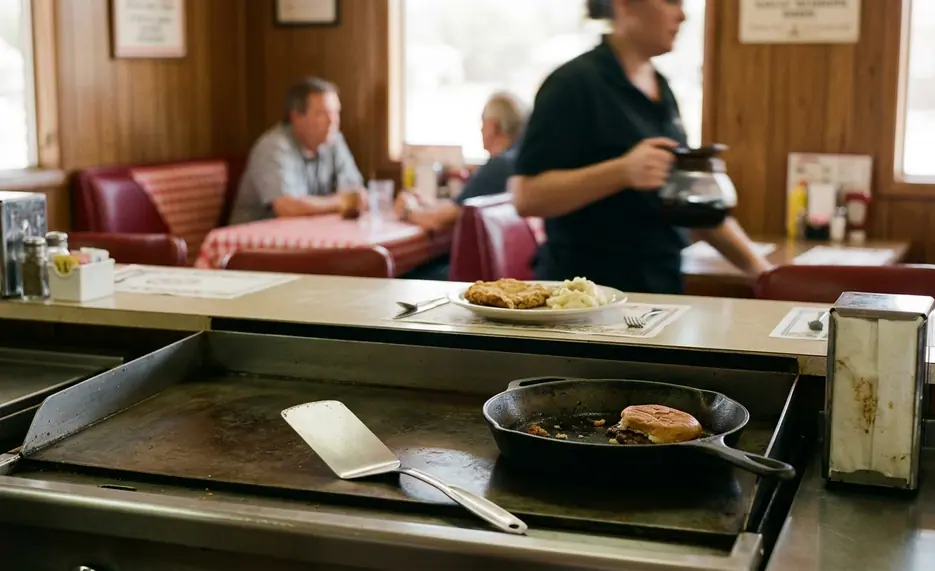
A practical Denison-based road trip starts with a late-morning historic or downtown stop in the range of 10:00 to 11:30. From there, the group can shift to lunch before the restaurant rush hits, then continue toward Lake Texoma in the afternoon. Where local travel patterns dictate the flow, the timing follows. A seafood meal works perfectly as lunch before a shoreline drive, dinner after Eisenhower State Park time, or a post-downtown reward when the group is finally ready to sit down.
Same-day hour checks matter immensely. Sundays, Mondays, holiday weekends, and lake-season evenings often bring shorter or peak-heavy schedules for small-town attractions and local restaurants. Looking at these stops through a Denison food-and-visitor lens helps the day flow smoothly, rather than just checking boxes on a statewide history list.
Choose the Route Shape Before You Choose the Restaurant
The best historic food trips begin with a route pattern, not a random list of places. The restaurant choice changes entirely depending on whether the group is looping around the lake, walking a square, crossing the Red River, or grazing through a downtown district.
| Route Shape | Best Use Case | Food Pairing | Primary Risk |
|---|---|---|---|
| Denison-and-Lake Loop | Texoma scenery or park time | Catfish or seafood dinner | Running late if the meal is saved until after sunset |
| Courthouse-Square Loop | History, photos, and browsing | Lunch or diner-style breakfast | Arriving after lunch service or during limited shop hours |
| Red River Crossing Drive | Scenic out-and-back travel | Planned sit-down meal before/after crossing | Adding more road time than the map preview suggests |
| Small-Town Main Street Crawl | Relaxed weekend route with short stops | Coffee, pie, or casual lunch | Too many small stops without one satisfying anchor meal |
The golden rule of route planning is restraint. One primary historic anchor, one scenic or walkable stretch, and one memorable sit-down meal will consistently beat three rushed stops and a drive-through dinner.
Match the Food Stop to the Drive, Not the Other Way Around
Order the food guidance by time of day because that is how road trips actually unfold. Breakfast fits best when the first historic stop is scheduled between about 9:00 and 10:30 and the group needs a clean start before walking or driving farther. Lunch serves as the safer anchor for downtown routes. It falls naturally between a late-morning stop and an early-afternoon walk without pushing dinner too late into the evening.
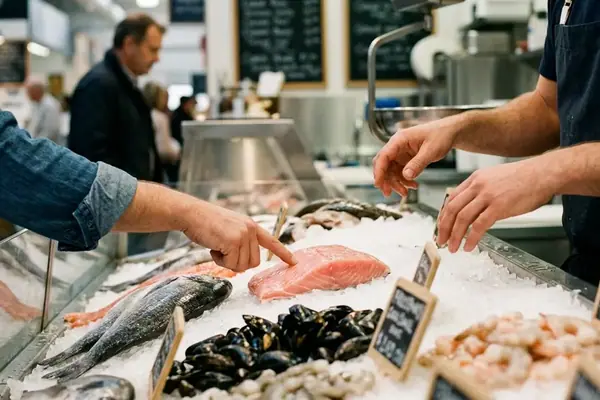
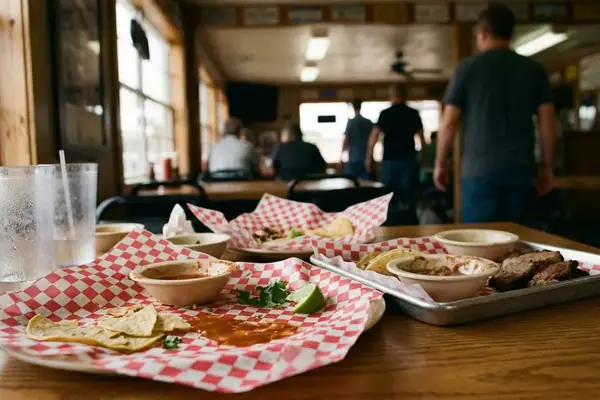
Heavier meals need the right spot in the day. Fried catfish, hushpuppies, barbecue, and seafood platters are better placed before a short scenic leg or after the last major stop. Eating a massive platter immediately before a crowded checklist of museums, walks, and photo stops drains the group's energy.
Caution: Choosing a restaurant first and then forcing every historic stop around it can create frustrating backtracking, especially on Red River or courthouse-square drives where crossing times and small-town hours dictate the pace.
Call ahead when the meal is the anchor of the trip. This is especially true for Friday and Saturday evenings, holiday travel, lake-season weekends, and post-park dinner plans. If the group includes kids, older visitors, or anyone who dislikes late meals, schedule the bigger seafood stop before the lake drive rather than after it. While this guidance reflects route-building advice for Denison-area day trips rather than a comprehensive ranking of every regional restaurant, the pacing principles hold true across North Texas.
A Sample Half-Day: Eisenhower History, Downtown Denison, and Lake Texoma
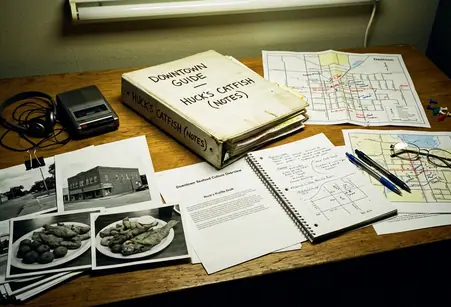
According to local expertise, a drivable itinerary uses a half-day arc instead of a perfect sightseeing list. Start with an Eisenhower-related historic stop in Denison, arriving just about 10:15 to 10:45. This allows a relaxed window for parking, looking around, taking photos, and making a short transition into downtown.
When visiting the Texas Historical Commission’s Eisenhower Birthplace State Historic Site, plan for nearly an hour on the grounds. Afterward, downtown Denison browsing fits neatly into the late-morning-to-lunch window if lunch comes next, or in the early afternoon if the group eats first.
The itinerary easily adapts to appetite. A seafood lunch before the lake fits groups with kids, older visitors, or a fixed evening return time. Conversely, a seafood dinner after the lake fits travelers who want the day to end slowly at the table. Always build in 10 to 20 minutes of slack around parking, photos, restroom stops, and unplanned browsing so the schedule does not feel like a stopwatch exercise.
Expert Tip: A route that starts with a late museum arrival, adds a downtown walk, pushes out to the lake, and saves the first real meal for after everyone is tired will look efficient on a map but feel poorly planned in the car.
Build Your Own Historic Food Loop This Weekend
Planning a great trip requires making a few firm decisions early. Choose one historic anchor first. Next, choose one scenic or walkable stretch. Finally, choose one sit-down food stop that fits the expected arrival time.
For a lunch-centered route, aim to be near the restaurant before the heaviest midday window rather than arriving after the group is already hungry and still twenty minutes away. For a dinner-centered lake route, avoid adding a final distant stop after the meal unless the group is intentionally staying overnight or ending very close to Denison.
Main Point: Plan the route around the meal the group most wants to remember, then keep the rest of the drive simple enough to enjoy.
Open a map, mark Denison as either the start or finish, check the hours for the historic stop and the restaurant, then set the departure time backward from the meal.

Responses
Nothing here yet. Add your opinion.
Join the Discussion