Start With the Family Fit, Not Just the Fish
Where the FDA/EPA advice on eating fish establishes the baseline, children should eat 1 to 2 servings of fish each week from lower-mercury choices. For a tired family choosing dinner near Denison or Lake Texoma, that guidance turns into a practical restaurant check: can the place make seafood feel normal, safe, and calm tonight?
Visitors around Denison, Lake Texoma, Eisenhower State Park, and Grayson County rarely make this decision during a relaxed meal-planning session. They choose a restaurant after a long drive, a park stop, or a late-afternoon hunger window. A successful dinner requires a practical filter. Families need to evaluate menu fit, allergy handling, seating, wait timing, room atmosphere, parking, and a quick pre-visit confirmation before they ever pull into the lot.
Seafood restaurants work well for families when the environment matches the children’s immediate needs. Familiar sides, manageable flavors, safe ordering, reasonable waits, and space to settle in can turn a potentially stressful outing into a comfortable meal.
Read the Menu Like a Parent, Not a Food Critic
Read the menu in the order a parent actually needs it. First, identify a safe fallback item. Next, check for mild seafood options. Finally, look at the sides, sauces, and portion flexibility.

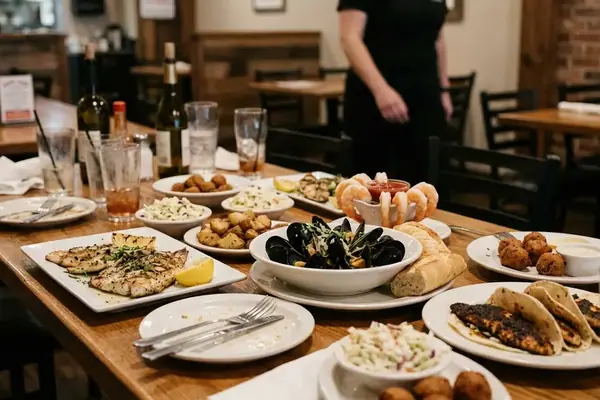
Kid-friendly seafood signals include fried catfish strips, grilled mild fish, shrimp baskets, hush puppies, fries, rice, coleslaw, and corn. Sauces should always arrive on the side. Texture words matter to young diners. Crispy, flaky, blackened, grilled, peppery, house-seasoned, and sauced can each land differently with children even when the main ingredient is exactly the same.
Look for flexible ordering options like kids’ plates, half orders, shared baskets, side-only meals, and add-on proteins. Parents ordering fish for younger children should explicitly ask whether the preparation is boneless or whether small bones may remain.
Current seafood menus shift with supplier availability, season, staffing, and kitchen prep schedules. Verify the day’s options instead of relying entirely on older menu photos.
Handle Seafood Allergies Before Anyone Sits Down
Move allergy questions ahead of seating. The answer can change the entire dinner plan. A seafood restaurant can look family-friendly online but fail the real dinner test if the only mild child option is fried in the same oil as shrimp and the family includes a child with a shellfish allergy.
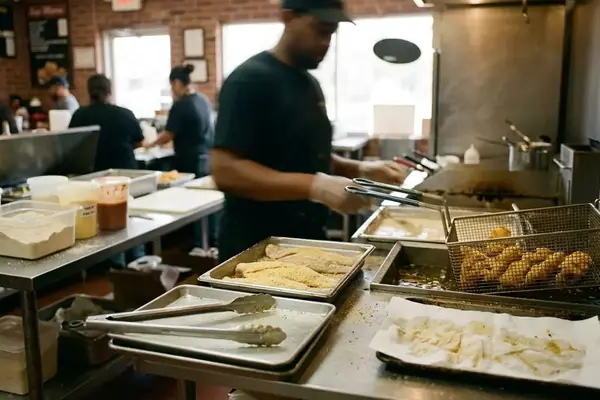
Call during a slower window, such as mid-afternoon before the dinner rush. Staff are more likely to have time to ask the kitchen directly. Ask separately about fish, shellfish, shrimp, crab, oyster, shared fryers, shared grills, breading stations, sauces, tongs, and utensils. A non-seafood item such as fries or chicken tenders may still be affected if it is cooked in oil also used for shrimp or catfish.
Direct questions work best. Ask whether seafood and non-seafood items share fryers, whether grilled items share the same surface, and whether an allergy note can be attached to the order.
Caution: Restaurant staff can describe current kitchen practices, but they cannot replace medical guidance for a child with a known severe allergy.
Choose the Table Experience Before the Table Chooses You
Choose the table experience before committing to the meal. If the children are overstimulated, hungry, sandy, or sun-tired, a short wait and easy seating matter more than the most interesting entrée.

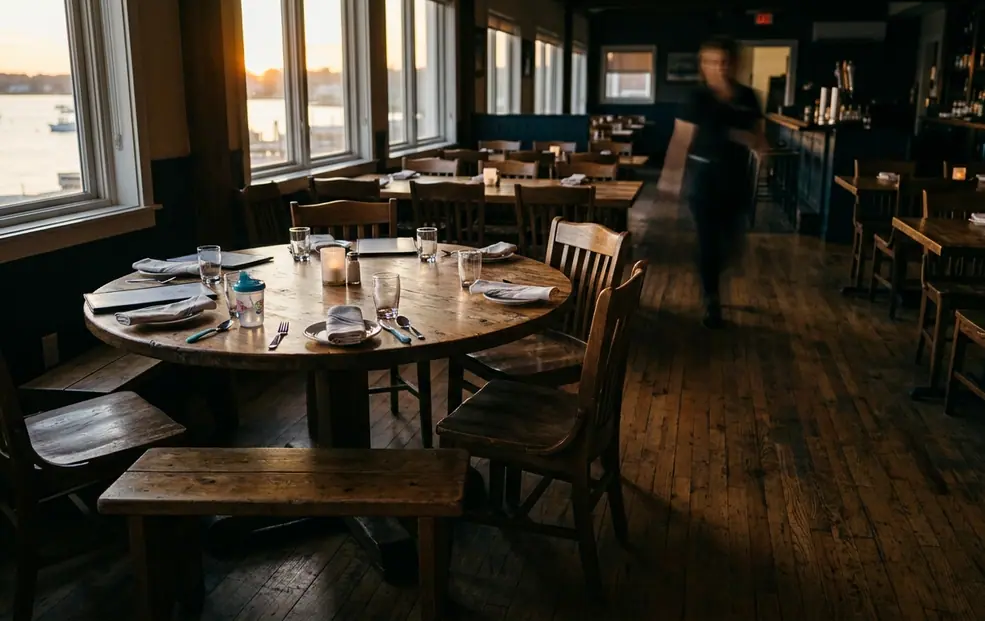
Useful seating features include booths, high chairs, booster seats, stroller clearance, restroom proximity, and space for a diaper bag, wet shoes, or park gear. A lively seafood dining room can hide normal kid noise. However, the same lively dining room can be perfect for a relaxed Saturday lunch and too much for children arriving sun-tired from Lake Texoma at the dinner rush.
Earlier dinner or late lunch is often easier than the prime dinner rush. Families arriving from outdoor stops are dealing with wet shoes, sun fatigue, muddy sandals, sunscreen, towels, and children who need food quickly. When children need less stimulation, parents can ask for a booth, a corner table, or a seat away from the kitchen path.
Match the Restaurant to the Day You’re Actually Having
Match the restaurant to the day instead of forcing every family meal into the same definition of a good dinner. A lake-day dinner, a pre-drive meal, a birthday table, and a quick stop after sports each require a different approach.
- After a lake day: Prioritize quick seating, easy parking, forgiving floors, mild seafood, and sides children recognize.
- Before a long drive: Prioritize restroom access, faster ordering, food that boxes well, and entrées that do not require complicated table setup.
- Meeting grandparents or celebrating: Prioritize booth availability, shareable appetizers, simple sides, and a room where conversation is possible.
For Denison-area residents, repeatability matters. Parents benefit from knowing the usual kid order, the adult favorites, and the best time to arrive. For Lake Texoma visitors, hot afternoons, muddy shoes, and tired children change the meaning of family-friendly from a fun atmosphere to fast, clean, and predictable.
Main Point: This guidance is built for casual North Texas seafood dining decisions where fried catfish, shrimp baskets, and comfort sides are common—not for formal coastal tasting-menu settings.
Make Sure the Adults Still Get a Real Seafood Meal
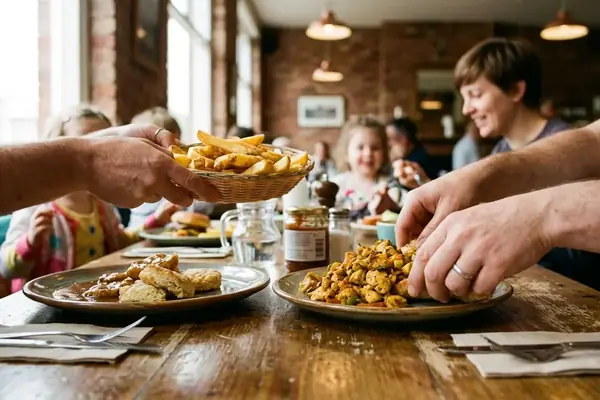
Treat family-friendly as a shared-table problem, not a children-only menu problem. The best choice is usually a restaurant where children can get something mild and reliable while adults can still order the seafood they came for.
A proven table plan includes one shared appetizer, one reliable kid plate, adult entrées with sauces on the side, and sides that can be passed around. Mixed-age seafood tables often work well with catfish baskets, grilled fish, shrimp, hush puppies, baked potatoes, fries, green beans, and simple salads.
Clarify spice terms before ordering for children. Blackened, Cajun, peppery, house-seasoned, and spicy sauce all require a quick question to the server. Sauces on the side let adults keep their preferred flavor while giving children a safer first bite. A strong family seafood restaurant serves straightforward children’s options without treating adult seafood as an afterthought.
Do a Five-Minute Check Before You Drive Over
Use a short call as a decision tool, not as a formality. The goal is to confirm the details that would actually derail the meal. A practical pre-visit check takes just about five minutes before the family drives over.
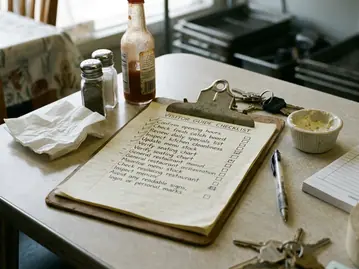
Confirm current hours, the current wait, kids’ menu availability, high chairs, booster seats, the allergy process, parking, restroom access, and whether large parties need notice. A phone call is better when the answer matters because online menus and third-party listings lag behind current kitchen staffing, supply, or service conditions.
A non-seafood fallback such as fries, chicken tenders, or a side plate is not automatically allergy-safe in a seafood kitchen because fryer and prep practices vary by restaurant and by day.
Sample questions include: ‘Do you have high chairs tonight?’ ‘Are fries cooked in the same fryer as shrimp or fish?’ ‘Is the catfish boneless?’ ‘What is the mildest seafood option for a child?’ Staff who answer these questions regularly give the most current picture of that day’s dining experience. Parents still make the final call based on their child’s needs.
A Simple Plan for a Low-Stress Seafood Dinner
Consider a family of four leaving a Lake Texoma afternoon. They choose an early dinner first, call ahead, ask about high chairs and fryers, confirm a mild catfish or shrimp option, and request sauces on the side.
The sequence is straightforward. Choose timing, confirm safety questions, pick a table strategy, order one reliable kid item quickly, then add adult seafood dishes once everyone is settled. A workable first order might be mild catfish or shrimp with fries, hush puppies, corn, or rice, with sauces served separately.
Expert Tip: If the restaurant cannot clearly answer an allergy or kitchen-practice question, the safer family choice is a simpler backup meal rather than gambling with a tired child.
In a seafood kitchen, fries may share oil with shrimp even when they look like the safest item on the kids’ plate.


Responses
Nothing here yet. Add your opinion.
Join the Discussion