Why the Plate Matters Before the Fish Hits the Table
A fried fish plate can feel generous and satisfying, or it can turn soggy, heavy, and one-note if the sides fight the fish. Build the plate in the order a diner actually experiences it. First comes the hot fried crust. Next is the cooling bite. Then the filling side arrives, followed by the sharp reset from sauce, lemon, or pickles. That specific order keeps the palate awake.
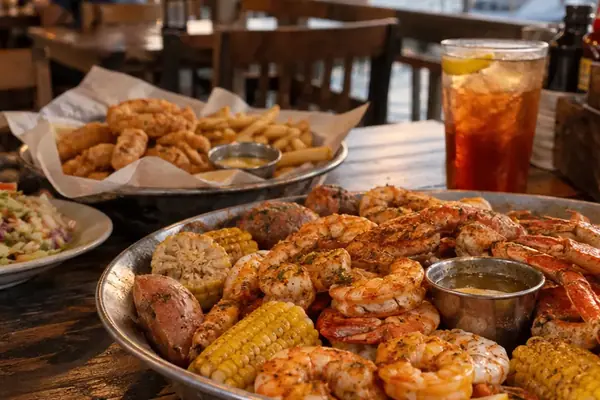
A practical Denison-style comfort plate often leans on cornmeal crunch, hush puppies, slaw, beans, fries, and tart sauces. The plate should be assembled so wet items never sit under the fish. Slaw, beans, and sauces belong in separate zones or small cups.
Start With the Fish as the Anchor
Treat the fish as the anchor before choosing anything else. Every side should protect or sharpen the crust, not bury it. A wide fillet needs open plate space so the crust does not steam underneath. Strips can sit closer together because they are meant for dipping. Whole pieces need simpler sides.
Crust style shapes the pairings. Cornmeal-crusted fish handles pinto beans, creamy slaw, and tartar better than a lighter batter. Lighter batters taste cleaner with lemon, pickles, vinegar slaw, or a thinner hot sauce. For home cooks, the FoodSafety.gov safe minimum internal temperature chart lists 145°F as the safe minimum internal temperature for finfish. Two medium catfish fillets usually give enough surface area for a full comfort plate without forcing sides to be stacked on top of the crust.
Even when batter thickness changes from place to place, the plating rule stays the same.
Use the Crunch-Cream-Acid Rule
Use the first three bites as a simple decision check. Bite one should prove the fish is crisp. Bite two should cool or soften the richness. Bite three should brighten the plate enough that the next piece of fish tastes exactly as good as the first.
Pair one creamy item with one bright item. Tartar sauce plus lemon, mayonnaise slaw plus pickles, potato salad plus pepper vinegar, or creamy beans plus chow-chow all work well. Avoid loading tartar sauce, mayonnaise-heavy slaw, and potato salad onto the same plate unless a sharp element such as lemon wedges, dill pickles, vinegar slaw, or hot pepper sauce is also present. A plate with tartar sauce, mayonnaise slaw, potato salad, fries, and Texas toast may look generous, but without lemon, pickles, vinegar, or hot sauce it can taste heavy after only a few bites.
Main Point: A good practical test is whether the fish still tastes appealing after three bites rather than making the meal feel heavy by the fourth forkful.
Pick Two Sides That Do Different Jobs
Start with one fresh or cooling side and one warm or filling side. I tried treating fries, hush puppies, beans, and slaw as equal defaults, then dropped that approach because the fish disappeared behind the starch.
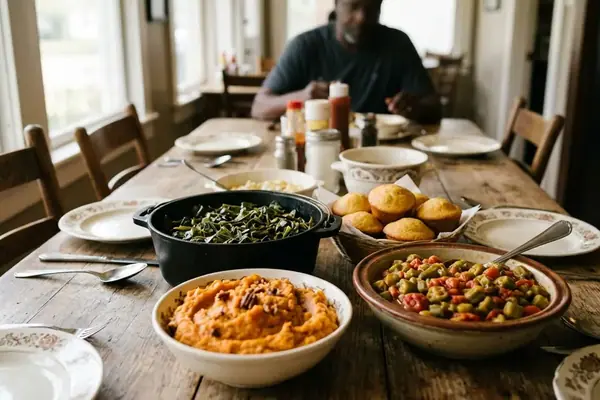
Fresh or cooling choices include coleslaw, cucumber salad, pickles, green beans dressed with vinegar, or tomato slices when tomatoes are actually in season. Warm or filling choices include fries, pinto beans, hush puppies, macaroni and cheese, potato salad, or fried okra.
Catfish with slaw and pinto beans reads rounded. Fish with fries and hush puppies reads indulgent. Okra and slaw keep more crunch and freshness on the plate. A strong fried fish plate usually needs contrast more than abundance.
Sauce the Plate Without Drowning the Crust
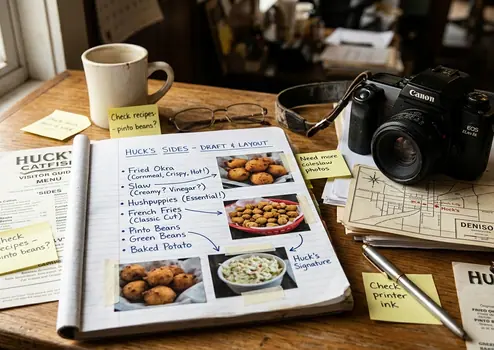
Decide sauces by function, not by how many are available. Tartar brings richness. Hot sauce lifts the fried flavor. Lemon cleans the finish. Pepper vinegar sharpens beans and hush puppies, and a remoulade-inspired sauce bridges the gap between creamy and sharp.
Serve sauces beside the fish rather than over the crust before the plate reaches the table. Two sauces are usually enough for a balanced comfort plate. Try tartar plus hot sauce, tartar plus lemon, or pepper vinegar plus a creamy sauce. Place sauce cups away from the fish edge and fries so condensation or spills do not soften the bottom crust during the first few minutes of eating.
Decide Whether Bread Is a Side or a Tool
Classify bread before adding it. Is it a side, a sauce catcher, or the main starch? That choice prevents the plate from turning into fries plus hush puppies plus toast before the fish gets a fair chance.
Hush puppies can replace fries when beans or potato salad are already on the plate. White bread works as a sauce and juice catcher. Texas toast makes the meal heavier. Biscuits push the plate toward a fuller country-style spread. Choose one main starch for a weeknight plate, then add a second only when the meal is meant to be a larger weekend or road-trip comfort spread.
Adjust the Plate for Home, Takeout, or a Road-Trip Stop
Adjust the plate for how it will be eaten, not just how it looks when served. At home, hold fried fish on a rack until the final plate is ready, then add slaw, pickles, beans, and sauces last.
For takeout, ask for slaw, pickles, lemon, and sauces on the side when possible so moisture does not sit against the crust. The sides may be regional, but the packing still matters. For eating around Denison, Lake Texoma, or Eisenhower State Park, beans, separately packed slaw, hush puppies, and pickles travel better than fries. Local experience around Lake Texoma has reinforced that fries are best immediately. If the meal will sit through a short drive or a stop before eating, beans or hush puppies are the safer comfort-side choice.
Expert Tip: A dine-in plate can get away with fries because they are eaten immediately, while a Lake Texoma or Eisenhower State Park takeout run is better served by beans, hush puppies, separately packed slaw, and pickles.
Build This Plate First: Catfish, Slaw, Beans, and Pickles
Use a first plate that makes every item earn its space. The fish supplies crunch, the slaw cools and cuts, the beans add warmth, pickles and lemon reset the palate, and the sauce stays optional instead of mandatory.
Build the plate with two fried catfish fillets, a scoop of vinegar-leaning slaw, warm pinto beans, pickles, lemon, tartar sauce on the side, and either hush puppies or fries. Choose hush puppies or fries—not both, unless serving a larger appetite or a deliberately heavy comfort spread. For a richer variation, swap the beans for macaroni and cheese, but keep pickles or lemon on the plate so the meal does not turn flat.
Before cooking or ordering your next meal, choose one fresh side, one filling side, one bright accent, and one sauce, then stop adding.


Responses
Nothing here yet. Add your opinion.
Join the Discussion