
What Cajun Seasoning Means on a Seafood Plate
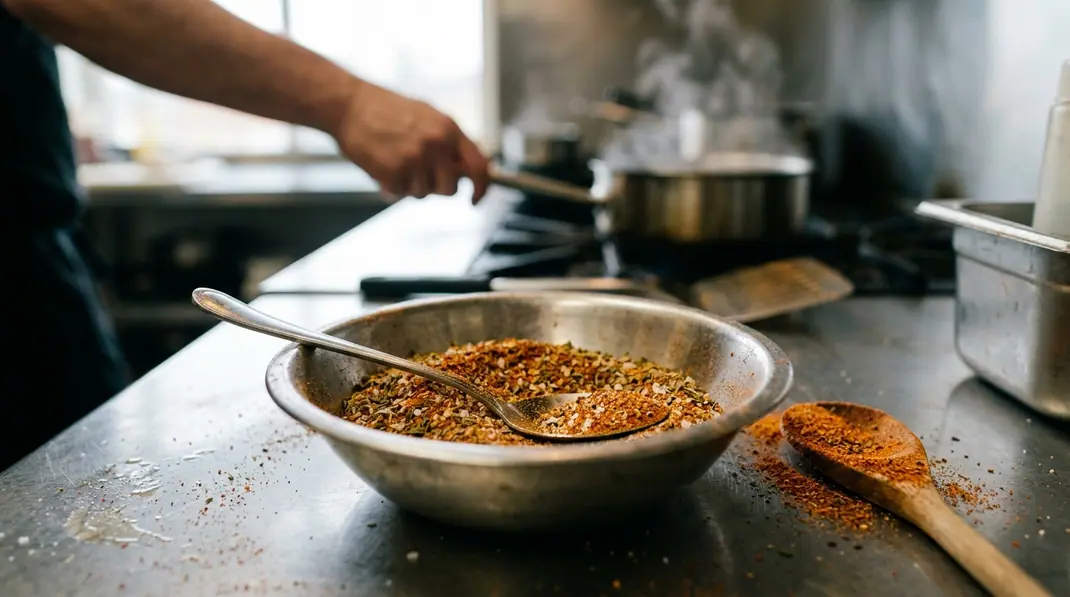
On a seafood plate, Cajun seasoning is a working blend of pepper warmth, garlic, onion, paprika, dried herbs, and salt. I evaluate it by how those flavors and textures interact with the fish, shrimp, breading, sauces, and sides. It is not one fixed recipe handed down through a single lineage. Bottled blends, restaurant mixes, and home versions vary widely in their salt level, cayenne concentration, herbal notes, and smoke profile.
Local menu tastings bear out a simple point: bottled blends can differ enough to ruin a meal if used blindly. One jar may taste mostly salty and paprika-heavy. Another leans sharply cayenne-forward, dominating the palate instantly. You must taste the blend before adding more to the food.
The goal of this seasoning is to sharpen fish or shrimp flavor rather than cover it. When planning a relaxed meal in Grayson County or looking for Texas road-trip food stops around Lake Texoma, the best plates use spice to elevate the natural sweetness of the catch. Heavy-handed application masks the delicate flavor and texture of the fish.
The Four Jobs Cajun Seasoning Does
Organize the spice blend by kitchen function instead of listing ingredients as if they all do the same job. Understanding these distinct roles explains why paprika can be added generously while cayenne requires a lighter hand.
Paprika provides the color and mild-earthy base. It acts as the foundation, giving the food that signature red-orange hue without overwhelming the taste buds. Garlic and onion powders form the savory backbone. They deliver the deep, roasted notes that anchor the lighter seafood flavors. Black or white pepper delivers quick sharpness. This is the immediate, upfront bite that wakes up the palate. Cayenne serves as the main heat driver, providing the lingering warmth that builds at the back of the throat.
Dried herbs play a quiet supporting role. Dried thyme or oregano works best as a background aroma on fried seafood because the herbal edge comes through after the first crunch rather than leading the bite. Hot frying oil brings out those aromas and gives the plate a little lift.
Main Point: Mild Cajun flavor should taste rounded, peppery, and savory before it tastes hot.
A good blend balances these four jobs, though heat reads differently from one dining room to another.
Why Mild Heat Works Better with Catfish, Shrimp, and White Fish
Seafood has a shorter, cleaner flavor arc than smoked meats or heavy stews. Heavy heat dominates this short arc quickly, leaving the diner tasting only cayenne and salt instead of the actual fish.
Catfish gets more seasoning room because it is firm and mild-sweet—a thick, fried catfish fillet can carry a bolder pepper-and-paprika layer than a delicate pan-seared white fish. The firm flesh of catfish holds up to stronger seasoning. Apply the seasoning in a thin, even layer before dredging or searing so the first bite tastes like fish, breading, pepper, and garlic rather than straight cayenne.
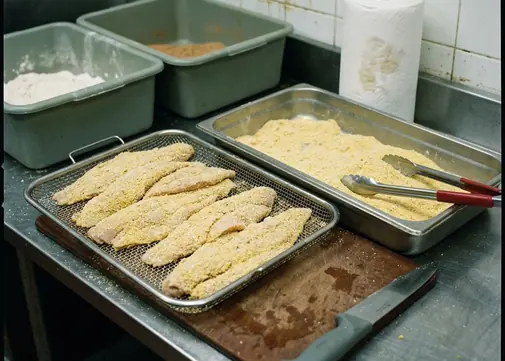
Shrimp requires restraint. Its natural sweetness and briny flavor disappear entirely under too much cayenne or salt. For small or medium shrimp, season them after patting dry and move them to the pan or fryer soon after. Do not let a salty coating sit while other southern sides and comfort plates are finished. Salt pulls moisture to the surface. This makes the shrimp less snappy before cooking.
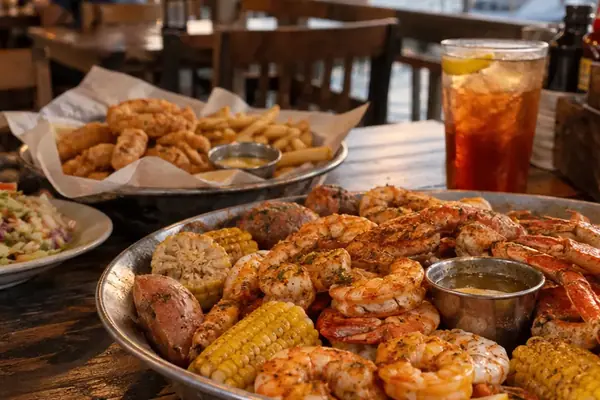
On a North Texas restaurant plate loaded with hushpuppies, fries, tartar sauce, slaw, and lemon, the exact same seasoning level will read milder than it would on a plain home-cooked white fillet. The surrounding fats and starches buffer the heat.
The Balance Formula: Salt, Fat, Acid, and Heat
Judge the seasoning by the finished plate instead of the jar. The salt in the blend, the fat in the fried seafood, the tang from the slaw or lemon, and the creaminess of the tartar sauce all change how hot or heavy the spices feel on the tongue.
Fried catfish and fried shrimp already bring fat and crunch to the table. Acid cuts through this richness. Lemon wedges, pickles, vinegar-style slaw, or a few drops of hot sauce can make the exact same seasoning taste brighter. Acid cuts the fat and lets the savory garlic and onion notes come through again.
Salt stacks rapidly across a full meal. Seasoned flour, a salty bottled Cajun blend, salted fries, tartar sauce, and table salt can make a seafood plate taste harsh even when the cayenne level is modest. The FDA guidance on sodium in your diet notes that many diners are encouraged to watch sodium intake, especially when restaurant plates combine seasoned breading, sauces, and salted sides. Adding more Cajun seasoning at the table before trying lemon may increase salt and heat when the plate only needed acid.
Expert Tip: If a blend tastes salty on a fingertip, use it lightly before cooking and finish with salt-free pepper, paprika, lemon, or herbs instead of more blend.
Taste the components together. The contrast between hot fried crust and cold lemon juice helps define classic catfish and seafood plates.
Common Mistakes That Make Cajun Seafood Taste Harsh
Several harsh plates come from misunderstanding how spices react to heat and moisture. Correcting these errors rescues the meal without requiring a completely new batch of ingredients.
Caution: Do not treat Cajun seasoning and blackening seasoning as identical; blackening usually depends on a very hot pan, fat, and a dark spice crust, while Cajun seasoning may simply be a general savory pepper blend.
Applying blackening techniques to a standard Cajun blend often results in burnt garlic powder and acrid paprika. Those spices can turn bitter when pushed too hard in a hot pan.
Stacking multiple salty components without tasting is another frequent error. If the seasoned flour contains salt, the bottled blend contains salt, and the finishing sauce contains salt, the final plate can turn harsh fast. Always isolate the sodium sources.
Using old paprika or stale dried herbs guarantees a flat flavor profile. Spices oxidize over time. Old paprika and stale dried herbs tend to smell flat or dusty. If the aroma does not bloom when rubbed vigorously between your fingers, the blend will not brighten fried seafood. The essential oils have faded, leaving behind only colored dust.
If you find yourself with a harsh, overly salty blend, do not attempt to fix it by adding more of the same mix. A harsh blend can be softened with unsalted paprika, garlic powder, onion powder, thyme, or oregano rather than fixed with more salt.
A Mild Cajun Seafood Plate You Can Copy
This is a step-by-step model for building a balanced plate. The point is to control moisture, heat, and sodium.
Start with two fresh catfish fillets. Pat them completely dry with paper towels to remove surface moisture, which prevents steaming during cooking. Season the fillets lightly with a low-salt Cajun blend or a homemade mild mix. For the homemade mix, use a ratio that features more paprika and garlic than cayenne. Add onion powder for depth, include dried thyme or oregano for aroma, and keep the salt entirely separate until you are ready to taste.
Dredge the seasoned fillets for frying, or pan-sear them in a heavy skillet until the exterior is crisp and the fish flakes cleanly under gentle pressure.
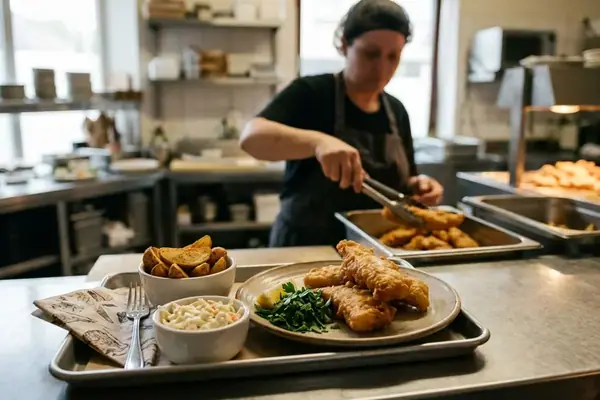
Build the rest of the plate to support the fish. Add a portion of vinegar-based slaw to provide cool acid and crunch. Include hushpuppies for sweetness and deep corn flavor. Add a handful of fries for salt and starch. Provide a ramekin of tartar sauce for creamy tang. Place two fresh lemon wedges directly on the plate to sharpen the first bite.
Final move: taste the first bite of the catfish with a squeeze of lemon before adding any more Cajun seasoning, then adjust only one element at a time.



Responses
Nothing here yet. Add your opinion.
Join the Discussion