
Engineering the Southern Fish-Fry Condiment Roster
Build the lineup from the way a fish-fry plate is actually eaten rather than from a disputed origin story. The process begins by identifying what crisp catfish and shrimp lack after emerging from hot oil, then assigning each condiment a specific job to restore balance. The lineup contains seven choices: tartar sauce, cocktail sauce, remoulade, hot sauce, comeback sauce, lemon wedges, and pepper vinegar. Set out the cold sauces and pickled condiments before the seafood leaves the fryer. Add the lemon wedge when plating so the first squeeze can happen during a window in the range of one to two minutes of eating.
Each component serves a distinct temperature or flavor function. Tartar and comeback sauces add cool moisture to a dehydrated crust. Cocktail sauce and remoulade sharpen or deepen the mild protein of the shrimp. Hot sauce and pepper vinegar supply a penetrating chile acidity. Lemon provides the cleanest finish. Presenting these seven selections allows the diner to adjust the temperature, texture, and acidity of the meal without declaring one universal winner for every bite.
Mapping Condiment Functions to Crust and Catch
Sort the condiments by four primary functions: creamy contrast, tomato-based sweetness and tang, chile-forward heat, and clear acidity. Select one representative from three different functions. This keeps the platter varied without forcing every bite through a heavy sauce. Begin with three accompaniments: one creamy dip, one bright or spicy condiment, and either lemon or pepper vinegar as the clean finishing acid.
Crust Integrity Protocol: For a broad catfish fillet, touch only the cut edge to a thick sauce. For a shrimp or hush puppy, start with give or take two to four drops of a thin hot sauce or a light vinegar sprinkle to preserve the breading's crunch.
The quick job map organizes the table efficiently. Tartar provides cool cling for catfish. Cocktail sauce delivers sharp tomato and horseradish for shrimp. Remoulade offers seasoned richness, while hot sauce brings lightweight heat. Comeback sauce yields a creamy chile tang. Lemon gives a fresh citrus lift, and pepper vinegar acts as a savory acid. This matching system is meant for hot, breaded catfish and shrimp eaten soon after serving; grilled, blackened, or heavily seasoned seafood may call for a different balance.
Tartar Sauce as the Structural Base for Catfish
Judge tartar sauce by the finished balance rather than by a rigid ingredient list. Mayonnaise supplies the structural body. Pickle or relish adds crunch and salinity. A tart element must remain noticeable after the sauce meets the fried crust. Onion, herbs, and capers operate as optional adjustments rather than strict requirements.
Allocate a cup in the range of 1.5 to 2 ounces for a full catfish serving. Dip only the leading edge of each cut piece instead of spreading sauce across the entire fillet. For a practical quality check, taste a small spoonful cold. The pickle and acid should register in the same bite as the mayonnaise rather than appearing only as an aftertaste. Keep homemade mayonnaise-based tartar sauce chilled to maintain its emulsion. USDA guidance for safely storing leftovers dictates refrigerating perishable items within two hours—within one hour when the air temperature is above 90°F—and using refrigerated leftovers within three to four days.
Calibrating Tomato and Mustard Profiles for Fried Shrimp
Compare these dips with the same piece of seafood so the sauce, not a change in breading or shrimp size, drives the result. Split one fried shrimp into two bites. Taste the first with cocktail sauce and the second with remoulade within a window of just about one to two minutes while the crust condition is still comparable.

Pair cocktail sauce with fried shrimp when the goal is a sharp, familiar dip that leaves the breading and shrimp flavor recognizable. Cocktail sauce is selected when tomato, horseradish, and citrus should cut straight through the rich exterior. Pair remoulade with shrimp, catfish bites, hush puppies, or fries when diners want a fuller sauce. Remoulade is selected when mustard, herbs, spices, or pickle notes should linger and carry over to the side dishes.
Serve the sauces in separate cups holding give or take 1 to 1.5 ounces. Mixing them beforehand dulls cocktail sauce's sharp horseradish edge and loosens remoulade's distinct seasoned texture. Remoulade has no single required formula for this comparison; a creamy or emulsified body with more seasoning layers than cocktail sauce works well here.
Managing Capsaicin Heat Through Vinegar and Emulsions
Choose between these sauces by deciding whether the diner wants heat to sit on the crust or inside a creamy dip. Classic hot sauce acts as a thin chile-and-vinegar condiment that adds heat and acidity with little extra weight. This thin liquid preserves a more direct impression of the breading. Apply a few drops on catfish, shrimp, fries, beans, or hush puppies rather than saturating the entire platter.
Start an unfamiliar hot sauce with one to three drops, give or take, on a single catfish corner. Finish that bite before increasing the dose. Comeback sauce, conversely, spreads tomato, seasoning, acidity, and mild heat across a larger bite. It serves as a creamy, tangy, mildly spicy option commonly built from a mayonnaise base with tomato and seasonings, though recipes differ.
Portion comeback sauce in a cup holding just about 1.5 ounces so it can serve seafood and one side without becoming a pool beneath the crust. Comeback sauce occupies the middle ground. It clings like tartar sauce but contributes tomato and chile notes that plain tartar generally does not.
Deploying Clear Acids to Cut Frying Oils
Treat lemon wedges as a full condiment rather than a mere visual garnish. Fresh juice brightens catfish and shrimp without adding sweetness or creaminess. Select the finishing acid according to aroma and side dishes. Lemon is chosen when fresh citrus should stay focused on the seafood. Pepper vinegar is chosen when the same tart, chile-edged condiment should also reach greens, beans, or other savory sides.
Compare their effects on the palate. Lemon provides fresh citrus aroma. Pepper vinegar gives a more savory, chile-edged acidity. Plate one lemon wedge cut from roughly one-eighth of a lemon for a mixed catfish-and-shrimp serving. Squeeze it over only the next one to two bites rather than the entire platter.
Apply lemon juice or pepper vinegar immediately before eating and take the treated bite within 30 to 60 seconds, give or take, to limit the time liquid sits on the crust. Begin pepper vinegar with a light sprinkle—roughly a quarter teaspoon across a few bites—because its pepper strength and salt level can vary by batch.
Assembling a Balanced Three-Cup Platter
Assign each cup to a named part of the meal before increasing the number of sauces. For the all-purpose platter, tartar belongs with catfish, cocktail sauce with shrimp, and hot sauce or lemon remains flexible. The standard mixed-platter setup uses just about 1.5 ounces of tartar sauce, 1 to 1.5 ounces of cocktail sauce, one bottle or small cup of hot sauce, and a lemon wedge on the plate.

Offer a richer alternative using small cups of remoulade, comeback sauce, and pepper vinegar. The vinegar keeps two creamy dips from making the plate feel heavy. Direct the vinegar toward catfish edges, beans, or vegetables rather than stirring it into either creamy dip. Side dishes heavily influence this configuration. Remoulade or comeback sauce can double as a dip for fries and hush puppies, while pepper vinegar can season vegetables or beans.
To help control moisture on the breading, use a three-bite sequence over the first two to four minutes, give or take. Eat the seafood plain, then with its primary dip, and finally with a bright or spicy accent. Start with small cups and refill on request instead of pouring sauce onto the platter, where it can contact several pieces of breading at once.
The Denison Dip-Duty Breakdown
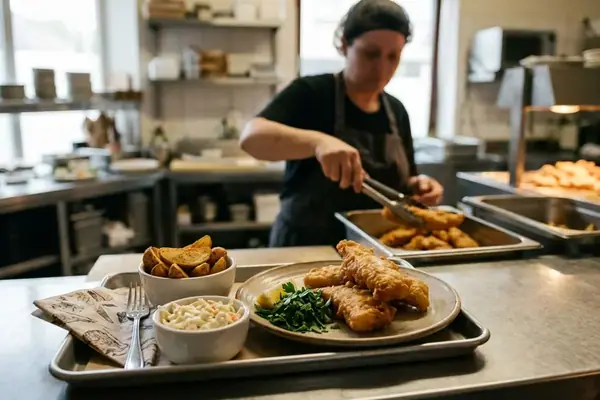
An all-purpose first lineup should be tartar sauce, cocktail sauce, and hot sauce, with a lemon wedge added directly to the plate. Around Lake Texoma, two seafood-specific dips and one controlled heat source are enough; the lemon wedge supplies the fourth function without another ramekin. Keep the opening comparison to three distinct bites rather than combining sauces immediately. That preserves the separate jobs of creaminess, tomato-horseradish tang, and chile-vinegar heat.
Picture a Lake Texoma visitor sitting down in Denison after an afternoon near Eisenhower State Park. The Denison dip-duty breakdown plays out in a concrete tasting order: tartar clings to the first catfish edge, cocktail sauce snaps against a fried shrimp, hot sauce sharpens the last crisp corner, and lemon waits on the plate.




Responses
Nothing here yet. Add your opinion.
Join the Discussion